August 26, 2026
Why Can't I Sleep Even When I'm Tired?
Few things are more frustrating than feeling exhausted all evening, finally getting into bed, and suddenly discovering that you cannot sleep.
Your body feels tired.
Your eyes feel tired.
Yet your brain seems completely uninterested in shutting down.
The reason is that feeling tired and being ready to sleep are not always the same thing. Your sleep is influenced by your internal body clock, habits, light exposure, stimulants, stress, and the environment around you.
Here are some of the most common things worth looking at.
Affiliate disclosure: We may earn a commission if you purchase through links on this page, at no additional cost to you. Read the full disclosure.
Your brain is still in daytime mode
You may physically be in bed while your brain is still processing the day.
Work, social media, gaming, messages, news, and other stimulating activities can keep your attention switched on right until bedtime.
Bright artificial light in the evening can also interfere with the signals involved in your sleep-wake cycle. The NHLBI recommends reducing bright screen exposure before bed and using the period before sleep for quieter activities.
Try giving yourself a buffer between the active part of your day and sleep.
Even 30–60 minutes of lower stimulation can create a clearer transition.
Your sleep schedule keeps moving
Maybe you wake at 6:30 during the week but sleep until 10:30 on Saturday.
Or perhaps bedtime ranges anywhere from 10 PM to 2 AM.
Your body likes patterns.
Large shifts in sleeping and waking times can disrupt the rhythm that helps determine when you naturally feel alert and when you begin feeling sleepy.
A regular sleep and wake schedule is one of the most consistently recommended healthy sleep habits.
You are tired—but still stimulated by caffeine
It is entirely possible to feel exhausted while caffeine is still making it harder to fall asleep.
The tiredness you feel does not necessarily mean the stimulant has stopped affecting you.
According to the NHLBI, caffeine's effects can last up to eight hours.
If you regularly struggle to sleep, try moving coffee, energy drinks, tea, cola, and other caffeinated products earlier and see whether your evenings change.
Stress waits until the room becomes quiet
During the day, there are distractions everywhere.
Then the lights go out.
Suddenly your mind has plenty of space to think about tomorrow, money, work, relationships, things you forgot, and things that may never happen.
Stress and worrying are recognized risk factors for insomnia, and even worrying specifically about whether you will sleep can make the problem worse.
A simple pre-bed routine can help.
Write down tomorrow's priorities, prepare anything you need for the morning, and give yourself some quiet time before getting into bed.
You are essentially closing the day rather than bringing it into bed with you.
Your bedroom is working against you
Sometimes the explanation is surprisingly practical.
The room is too warm.
Streetlights shine through the curtains.
Your phone lights up.
Someone is watching television.
Your pillow is uncomfortable.
Your bedroom should make staying awake boring and sleeping easy.
A cool, quiet, dark environment is consistently recommended as part of healthy sleep habits.
You are spending too much awake time in bed
If you regularly lie in bed scrolling, watching television, working, or spending long periods trying unsuccessfully to sleep, your brain can begin associating the bed with wakefulness rather than sleep.
One technique used as part of cognitive behavioral therapy for insomnia is stimulus control.
The basic idea is to use the bed primarily for sleep, go to bed when sleepy, and get up for a quiet activity if you cannot sleep rather than becoming increasingly frustrated in bed.
Your daytime habits matter too
Sleep is not an isolated eight-hour event.
Daylight, exercise, naps, meal timing, caffeine, and your daily schedule can all affect what happens later that night.
Regular daytime physical activity and exposure to daylight can support a healthier sleep-wake rhythm. Long or late naps, on the other hand, may make it harder for some people to fall asleep at night.
That means improving tonight's sleep may actually begin tomorrow morning.
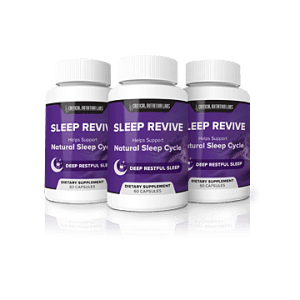
Should you try a sleep-support product?
There is no shortage of products marketed around sleep.
These include dietary supplements, breathing programs, relaxation techniques, apps, sound products, and other approaches.
Some people find certain options useful as part of their routine, but it is worth keeping expectations realistic. A sleep-support product should not automatically be treated as a solution to persistent insomnia or another sleep disorder.
If you want to explore some of the different approaches available, we collect them in one place:
If you are considering dietary supplements, remember that supplements can have risks and interactions. The NHLBI recommends discussing supplements with a healthcare provider when appropriate.
When should you talk to someone about your sleep?
If this happens occasionally, it may simply be a rough night.
If it keeps happening, begins affecting your concentration or daytime functioning, or continues for months, it deserves more attention.
Insomnia involves problems falling asleep, staying asleep, or getting good-quality sleep despite having the opportunity to sleep. Chronic insomnia is generally defined as occurring at least three nights per week for three months or longer.
Persistent daytime sleepiness can also have causes beyond simply going to bed too late, so professional assessment can be useful when the problem does not improve.
The bottom line
When you are thinking “I'm exhausted, so why can't I sleep?”, the answer is often not that you are simply “not tired enough.”
Your body may be tired while your schedule, caffeine, stress, light exposure, environment, or habits are still telling your brain to stay awake.
Start with the basics.
Make the evening quieter, keep your schedule more predictable, reduce late stimulation, and create an environment where sleep has fewer things competing with it.
Sometimes a few boring changes are exactly what your sleep needs.