August 25, 2026
Why a Sleep Supplement Can Be the Piece That Finally Helps
Most sleep advice starts in the same place: keep a regular bedtime, cut late caffeine, dim the screens, and get the room dark and cool. That is the right order. A capsule cannot replace a schedule.
The reason supplements still show up in this conversation is simpler. Plenty of people already do the obvious things and still feel wired at 11 p.m., or they fall asleep and wake up unrested. At that point they start looking for one more input — something that supports winding down, rather than another lecture about habits they already know.
This is not medical advice. Dietary supplements are not medicines, and they are not intended to diagnose, treat, cure, or prevent insomnia, sleep apnea, or any other condition. FindWorthNow has not independently tested the products mentioned here.
Affiliate disclosure: We may earn a commission if you purchase through links on this page, at no additional cost to you. Read the full disclosure.
Habits first — then a possible extra
Light, caffeine, alcohol, late meals, and an irregular clock still explain a large share of poor nights. If those are chaotic, a supplement is the wrong first move. You would be asking a formula to paper over the same evening that keeps pushing your body later.
Where a sleep-support product can be interesting is after the basics are reasonably in place. The pitch is not “this replaces sleep hygiene.” It is “this might help the last stretch of the evening feel less stuck.” That is a narrower claim, and it is the only one worth taking seriously.
What people are usually trying to support
Sleep-support formulas on the market tend to cluster around a few familiar ideas: calming botanicals, amino acids associated with relaxation, and minerals used in evening routines. Names you will see often include lemon balm, valerian, L-theanine, and magnesium glycinate.
Those ingredients show up because they are easy to research in public literature and easy to market. That does not mean a specific bottle will work for you, or that the dose on a sales page matches what a study used. It only means the category is trying to support winding down — not to treat a disease.
A supplement is an extra input, not a diagnosis.
Results vary, and strong sales-page claims belong to the seller.
Talk with a clinician if sleep problems are ongoing, new, or severe.
Sleep Revive as an example in this category
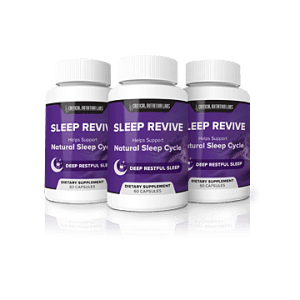
On FindWorthNow, the sleep-support supplement we currently cover is Sleep Revive. It is sold as a dietary supplement on sleeprevive.org and marketed to support sleep. The manufacturer lists a five-ingredient formula: rutaecarpine, lemon balm extract, valerian root, L-theanine, and magnesium glycinate.
We have not confirmed milligram amounts against a label in hand, and we have not verified the company’s story about “sleep disruptors” or circadian rhythm. That story is the manufacturer’s thesis. What we can say is more limited: if you are already comparing sleep-support supplements, this is one offer to read in full — ingredients, packages, checkout terms, and the usual medical caveats.
Open the Sleep Revive overview on this site first if you want the short version of what the seller currently lists. The official page is where current pricing and the full pitch live.
A bottle is not the only option
Even if a supplement is the piece you want to try, it is worth knowing that the Sleep category here also includes programs — a bedtime breathing routine and a lucid-dreaming course. Those are a different kind of bet: practice instead of a capsule. We wrote a separate post on why that path is worth a look if you have only been shopping bottles.